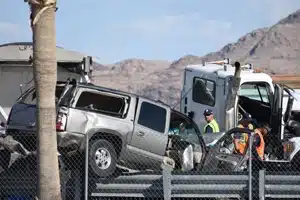
When a massive commercial vehicle collides with a passenger car on the Downtown Connector or I-285, the aftermath is often devastating. Victims are left facing mounting medical bills, lost wages, and physical pain. Naturally, the first question is usually: Who is going to pay for this?
In many motor vehicle accidents, the answer is simple. You hold the driver responsible. However, in the world of commercial trucking, things get complicated quickly. One of the most common hurdles in seeking justice is the classification of the driver. If the driver is an independent contractor rather than an employee, the trucking company will likely argue that they have zero liability for your injuries.
Determining liability in these cases requires a deep understanding of Georgia law and federal trucking regulations. If you find yourself in this situation, consulting an
Atlanta truck accident lawyer is the most effective way to protect your rights.
The “Independent Contractor” Defense
Trucking companies frequently use independent contractors to shield themselves from liability and reduce overhead costs. Under the legal doctrine of respondeat superior, an employer is generally responsible for the negligent acts of its employees while they are performing their job duties. But this rule usually does not apply to independent contractors.
If a driver is truly independent, the company may claim they are merely a client of the driver and not responsible for the driver’s mistakes on the road. This can be a major blow to a victim, as individual drivers rarely have the insurance limits necessary to cover the catastrophic damages associated with a truck wreck.
Vicarious Liability and the Question of Control
Just because a contract says a driver is an independent contractor does not mean the law sees it that way. In Georgia, courts look past the labels and examine the actual nature of the relationship. The primary factor is control.
If the trucking company controls the time, manner, and method of the driver’s work, the law may classify that driver as an employee regardless of what their contract says. Does the company dictate the specific route? Do they own the truck? Do they require the driver to wear a uniform or use specific equipment? If the company exerts significant control over how the job is done, it can still be held vicariously liable for an accident.
Federal Regulations Often Override State Laws
The
Federal Motor Carrier Safety Administration (FMCSA) has rules designed to prevent trucking companies from escaping liability through “lease-on” agreements. Under federal law, if a company leases a vehicle and driver, that company is often held to be the statutory employer. This means that for the purposes of public safety and insurance, the company is responsible for the driver’s actions while that truck is operating under their authority.
This is a vital tool for injury victims. It prevents companies from putting dangerous trucks on Atlanta roads and then pointing the finger at a “contractor” when something goes wrong.
Direct Negligence of the Trucking Company
Even if a driver is a legitimate independent contractor, the trucking company can still be held responsible through “direct negligence.” This is a separate legal path from vicarious liability. The company may be at fault if they failed in their own duties, such as:
- Negligent Hiring: Did the company hire a driver with a history of DUIs or reckless driving without checking their records?
- Negligent Maintenance: If the company owns the trailer or the tractor and failed to maintain the brakes or tires, they are liable for mechanical failures.
- Hours of Service Violations: If the company pressured the contractor to drive beyond legal limits to meet a deadline, the company shares the blame for a fatigue-related crash.
How Simon Bridgers Spires Can Help
Trucking companies and their insurers are experts at devaluing claims. They will arrive at the scene of an accident within hours to begin building a defense. You need a team that acts just as quickly.
At
Simon Bridgers Spires, we understand the nuances of Georgia trucking litigation. We know how to investigate the relationship between the driver and the carrier to find every available source of insurance coverage. We look at logbooks, black box data, and internal company communications to prove when a company has exercised control or been negligent in their oversight.
Our firm treats every client with the professionalism and care they deserve during such a difficult time. We take the burden of the legal battle off your shoulders so you can focus on your recovery. If you or a loved one has been injured,
contact us today to learn more about how we can fight for the compensation you need.

